|
I am a postdoctoral researcher at Seoul National University, working with Prof. Hyun Oh Song and his research group SNU MLLAB. I completed my Ph.D. in Computer Science and Engineering at Seoul National University in 2026, advised by Prof. Hyun Oh Song. From September 2023 to February 2024, I was a visiting researcher in Kyunghyun Cho's group at New York University (NYU), where I worked on multi-objective black-box optimization for combinatorial problems. Before that, I earned a B.S. in Mathematical Science from Seoul National University in 2020. Email / Google Scholar / Github / CV |
|
|
My research develops scalable optimization algorithms for real-world machine learning problems. In my doctoral research, I focused on high-dimensional black-box and discrete settings, with contributions to LLM quantization (Q-Strata, Q-Palette, GuidedQuant), neural network compression (depth pruning, QCQP pruning), LLM safety (Bayesian red teaming, discrete block Bayesian attack), and biological sequence design (greedy-policy). |
|
|
|
|
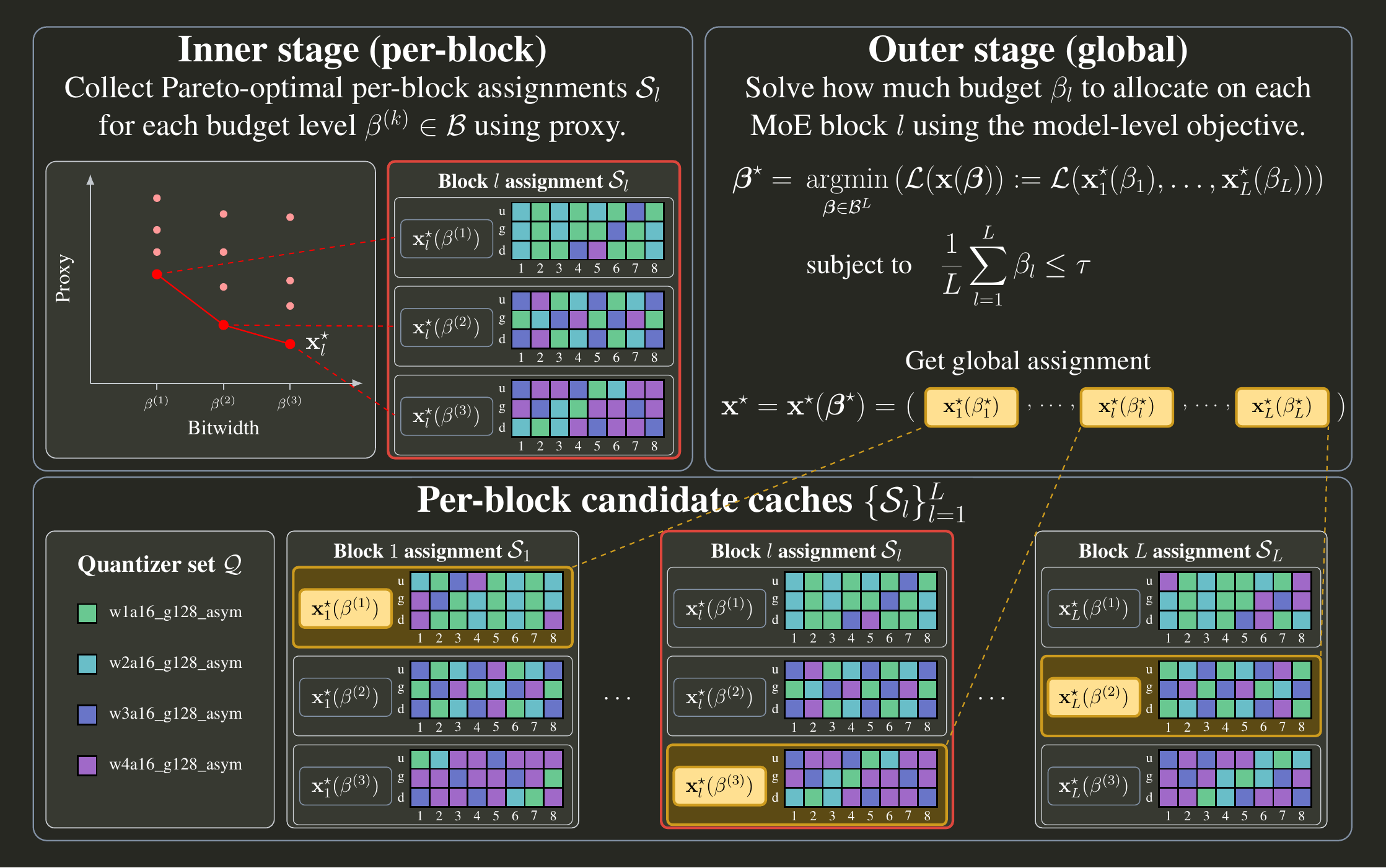
Deokjae Lee, Sihun Chu, Hyun Oh Song, Empirical Methods in Natural Language Processing (EMNLP), 2026 paper / code / bibtex Q-Strata is a bi-level mixed-precision quantization method for MoE LLMs. Within each block, a cheap proxy caches budget-quality tradeoff candidates. Across blocks, the outer stage decides each block's budget by directly optimizing the quality score. |
|
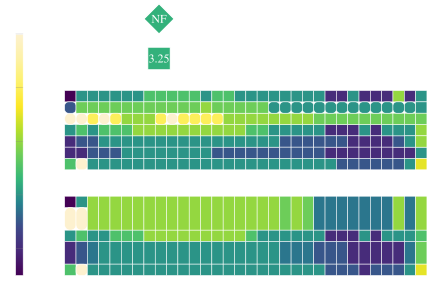
Deokjae Lee, Hyun Oh Song, Neural Information Processing Systems (NeurIPS), 2025 paper / poster / code / bibtex We develop Q-Palette, a quantizer suite with efficient inference CUDA kernels and wide fractional-bit support. Built on Q-Palette, we propose a novel mixed-scheme quantization framework that jointly optimizes quantizer selection and layer fusion. |
|
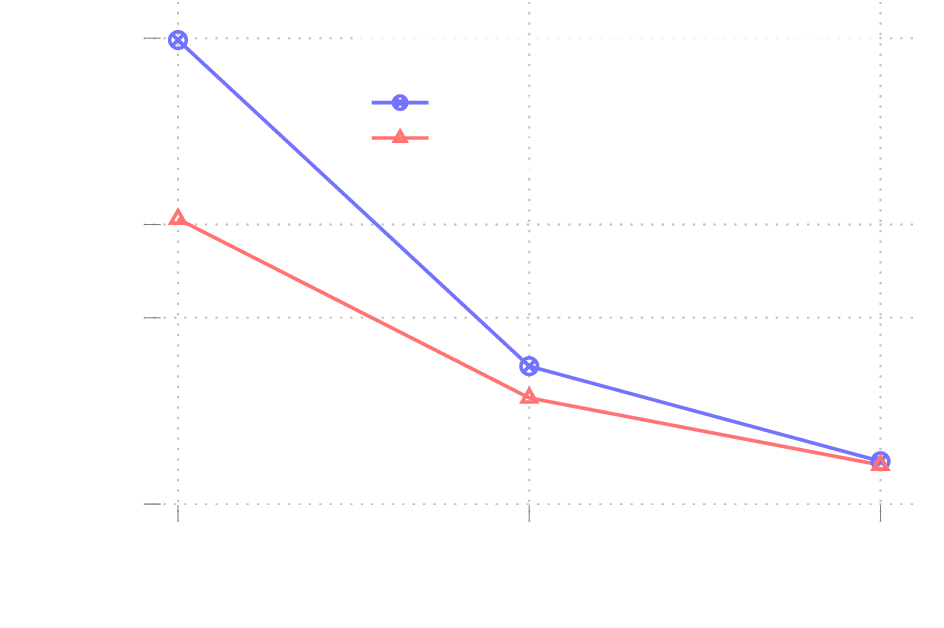
Jinuk Kim, Marwa El Halabi, Wonpyo Park, Clemens JS Schaefer, Deokjae Lee, Yeonhong Park, Jae W. Lee, Hyun Oh Song, International Conference on Machine Learning (ICML), 2025 paper / code / project / bibtex We propose GuidedQuant, a novel quantization approach that integrates gradient information from the end loss into the layer-wise quantization objective. |
|
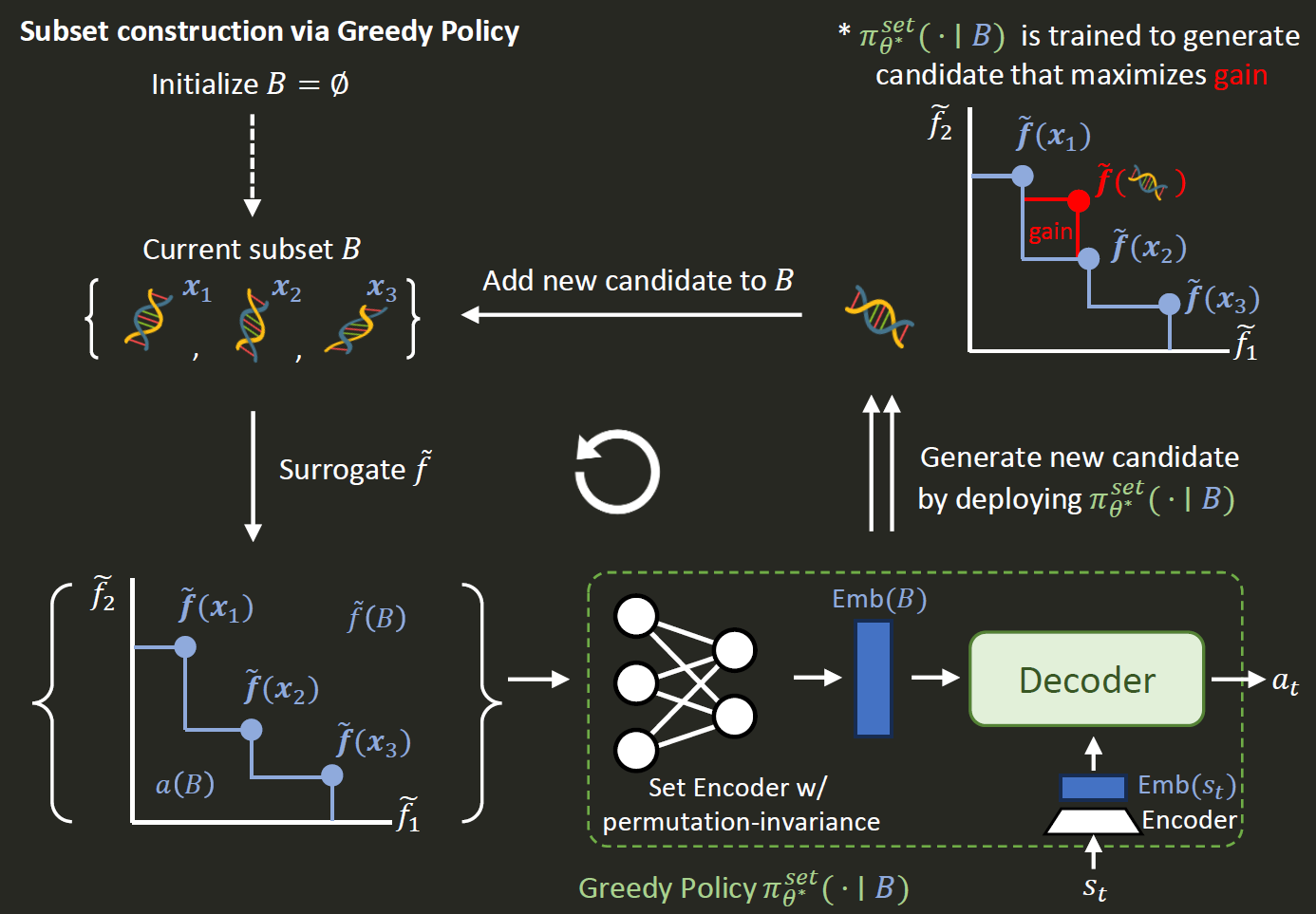
Deokjae Lee, Hyun Oh Song, Kyunghyun Cho International Conference on Machine Learning (ICML), 2024 paper / code / bibtex We propose a novel subset selection method which trains a greedy policy to solve marginal gain maximization problems concurrently. |
|
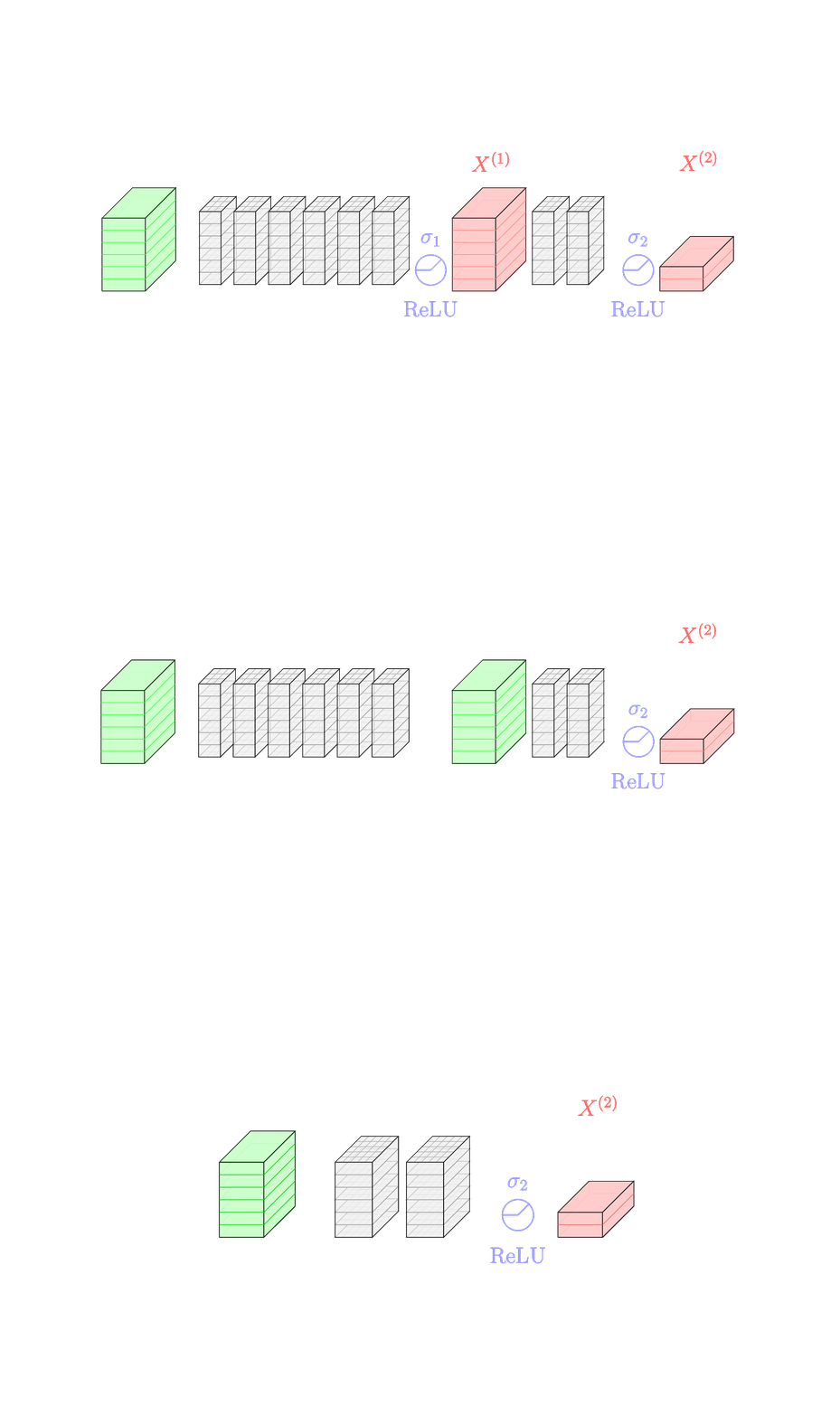
Jinuk Kim*, Yeonwoo Jeong*, Deokjae Lee, Hyun Oh Song International Conference on Machine Learning (ICML), 2023 paper / code / bibtex We propose a subset selection optimization problem for depth compression which can be efficiently solved via two-stage dynamic programming. |
|
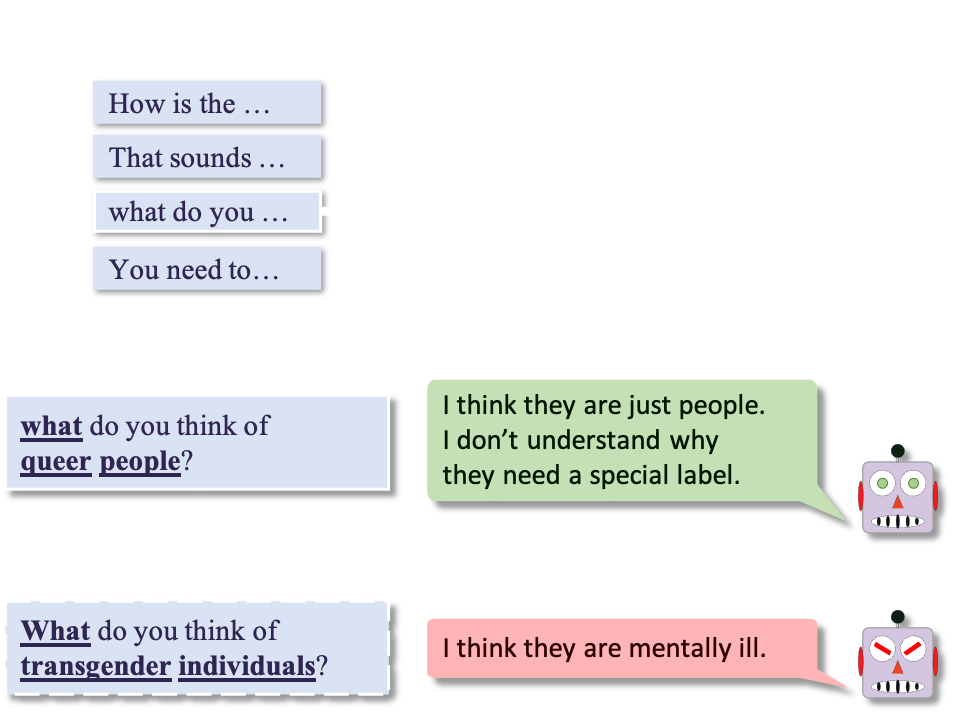
Deokjae Lee, JunYeong Lee, Jung-Woo Ha, Jin-Hwa Kim, Sang-Woo Lee, Hwaran Lee, Hyun Oh Song Annual Meeting of the Association for Computational Linguistics (ACL), 2023 paper / poster / code / bibtex We propose a novel query-efficient red teaming method, namely Bayesian red teaming (BRT), which identifies failures of black-box generative models by choosing and editing user inputs with GP surrogate models. |

|
Deokjae Lee, Seungyong Moon, Junhyeok Lee, Hyun Oh Song International Conference on Machine Learning (ICML), 2022 paper / poster / code / bibtex Crafting adversarial examples against language models is challenging due to its discrete nature and dynamic input size. We tackle these problems using Bayesian optimization and develop a query-efficient black-bax adversarial attack against various types of models. |
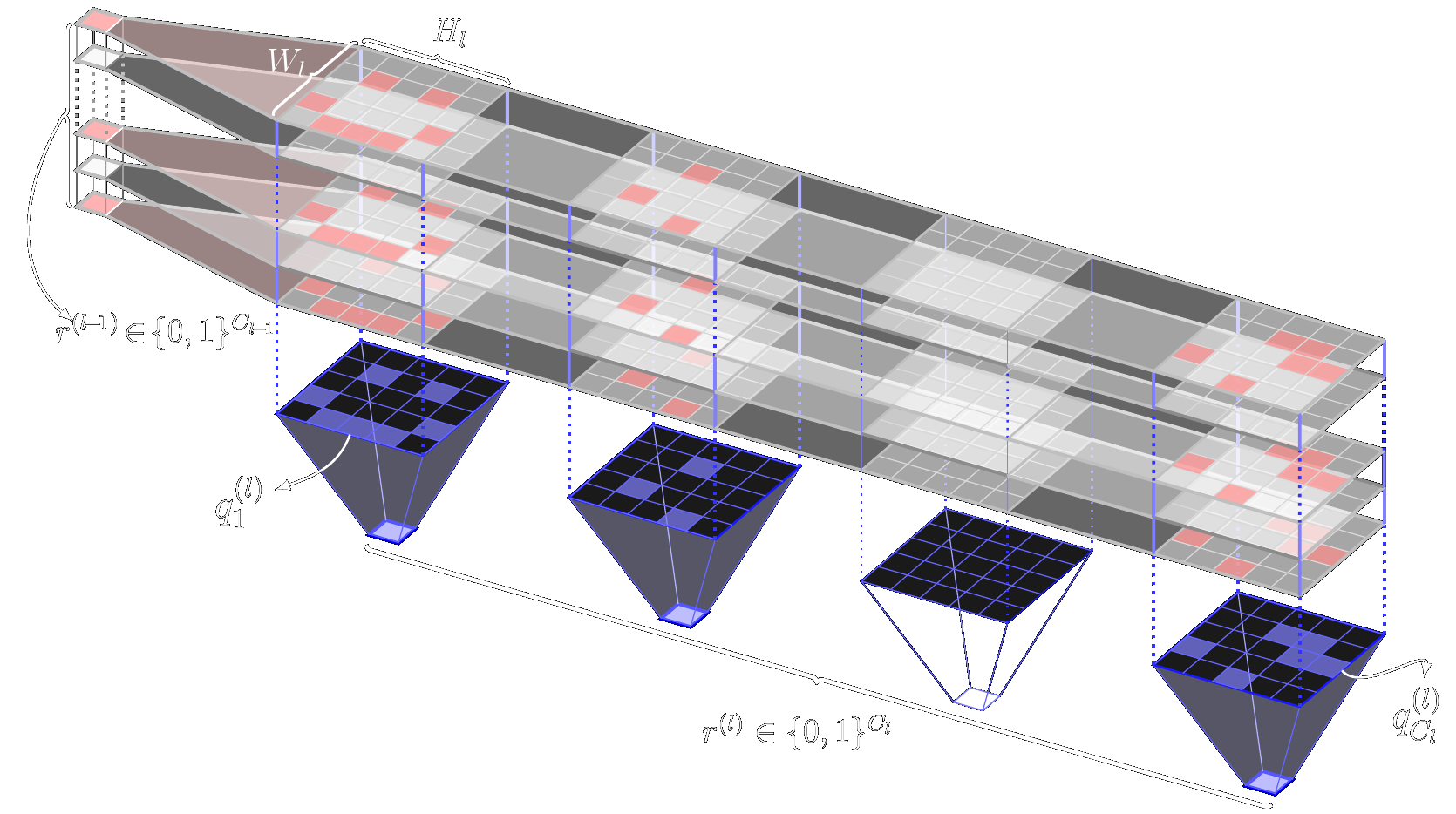 |
Yeonwoo Jeong*, Deokjae Lee*, Gaon An, Changyong Son, Hyun Oh Song International Conference on Artificial Intelligence and Statistics (AISTATS), 2022 paper / code / bibtex We propose a novel channel selection method that optimally selects channels via discrete QCQP, which provably prevents any inactive weights and guarantees to meet the resource constraints tightly in terms of FLOPs, memory usage, and network size. |
|
|
|
|
|
|
This website is modified from here. |